
For many Arizona facilities, finding time to perform electrical maintenance is challenging. Electrical maintenance is notorious for requiring planned outages, which can interrupt production, tenants, or affect essential building systems. That’s why electrical shutdown planning matters.
The truth is, after months of high cooling demand during Arizona’s long, hot summers and warm falls, electrical equipment may need attention at a time when buildings and facilities are reluctant to interrupt operations.
Why the Holidays Are the Right Time for a Planned Electrical Shutdown
The holiday season offers an opportunity to catch up. Office and government buildings may have fewer occupants, schools close for winter break, and manufacturing facilities may have scheduled production shutdowns. Cooler weather can also reduce cooling-related electrical demand, creating more flexibility for certain maintenance activities.
For facility managers, this is an opportunity to address equipment issues, complete planned maintenance and prepare electrical systems for the demands of the coming year.
What Electrical Maintenance Should You Include in Your Shutdown Plan?
Use maintenance records, prior inspection reports, infrared findings and open work orders to identify overdue work, recurring problems and postponed repairs. For Arizona facilities, pay particular attention to issues that surfaced during summer, including overheating, nuisance trips and equipment exposed to heavy cooling loads, dust or outdoor conditions.
Work with your electrical contracting partner to prioritize known deficiencies based on equipment criticality, condition and the consequences of failure. A planned electrical shutdown provides an opportunity to complete work that requires equipment to be de-energized or is difficult to access during normal operations.
- Switchgear and electrical distribution equipment. Review switchgear, switchboards, panelboards and transformers for maintenance due under the facility’s program and equipment requirements. Planned work may include cleaning, inspecting connections, evaluating deterioration and correcting deficiencies. Winter can offer a useful window to service infrastructure supporting cooling equipment before demand increases again.
- Circuit breakers and protective devices. Identify devices due for inspection, maintenance or testing, particularly older equipment, components with incomplete service records and devices that have experienced repeated trips or demanding operating conditions.
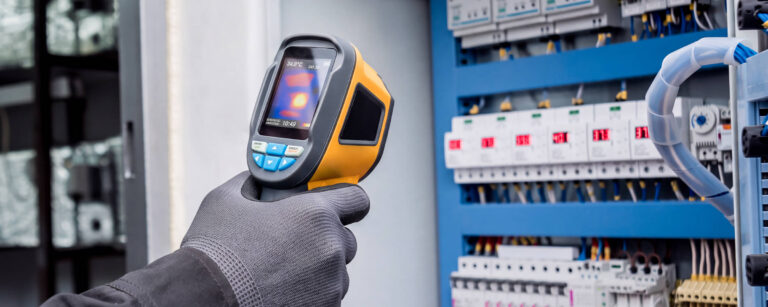
- Repairs identified through infrared inspections. Use earlier IR findings to identify corrective work for the shutdown. Infrared inspections generally take place while equipment is energized under representative loads, so findings collected during high summer demand may help inform the winter repair scope.
- Backup power systems. Review service and testing needs for generators, automatic transfer switches and uninterruptible power supply (UPS) systems. Coordinate work around the critical operations these systems support, including cooling, refrigeration and IT infrastructure.
- Outstanding repairs and upgrades. Include approved component replacements, circuit modifications and smaller upgrades that have been deferred because of access or operating constraints. Confirm which tasks can reasonably fit within the available shutdown window.
Electrical Shutdown Planning Is a Multiplayer Sport
It’s the holiday season and individuals, teams, and partners are all planning their PTO. Good electrical shutdown planning starts before calendars fill up. Here are some things to consider now before we roll into December.
- Confirm what must stay running. Even a nearly empty building may need continuous power for security, fire and life safety systems, building controls, refrigeration and critical processes. Work with your electrical contracting partner to identify the loads affected by each outage and determine redundancy, temporary power needs and contingency plans.
- Coordinate responsibilities across teams. Involve facilities, operations, IT, security, tenants and equipment vendors as appropriate. Confirm approvals and assign responsibility for equipment shutdown and restart. Establish a documented shutdown plan covering outage sequencing, safety procedures, testing and return to service. Your electrical contracting partner can help establish and follow safety procedures. Allow time for unexpected repairs and testing before normal operations resume.
- Secure contractors and materials early. Confirm technician availability, specialized testing resources and replacement parts before committing to the shutdown date. Older equipment may require additional lead time to source compatible components.
- Use the results to plan the year ahead. Document completed work, test results and remaining deficiencies. Use those findings to update maintenance priorities and capital plans, including work that should happen before Arizona’s summer demand increases pressure on electrical and cooling systems.
Put Holiday Downtime to Work
Arizona’s cooler winter months and holiday operating schedules can create a valuable window for electrical maintenance. With the right electrical shutdown planning, it’s an opportunity to address equipment issues that surfaced during the summer, complete work that requires planned outages and prepare for another year of demanding operating conditions.
Jenco works with Arizona facility managers, building owners and operations teams to plan electrical maintenance and shutdowns, evaluate equipment conditions and coordinate repairs and upgrades around operational requirements.
Planning a holiday shutdown or looking to address overdue electrical maintenance?
Contact Jenco to discuss your facility’s priorities and develop an electrical shutdown plan.