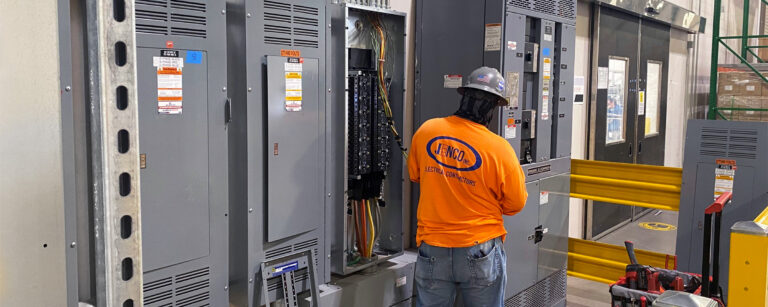

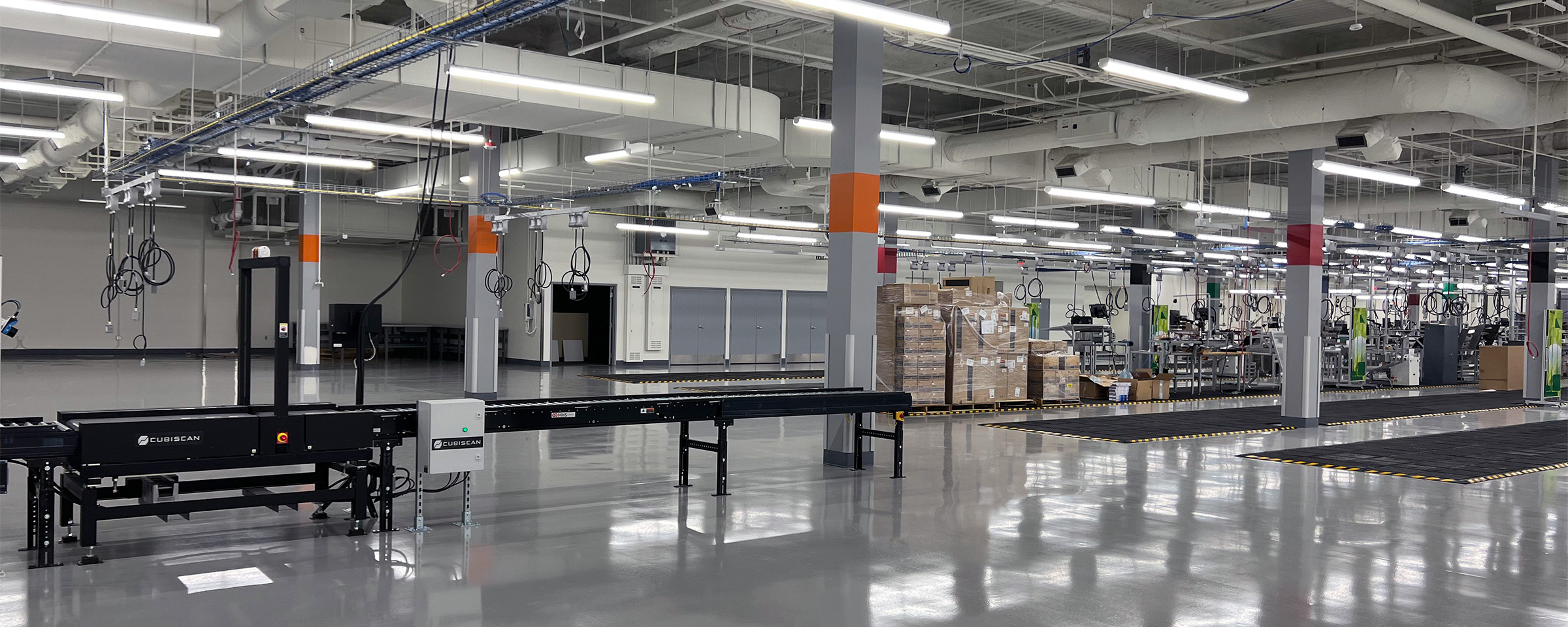
What Are Moves, Adds and Changes (MAC)?
Moves, adds, and changes are routine in an active facility. Electrical implications are easy to miss until years of small decisions begin to affect capacity, reliability and safety.
Commercial, industrial, and institutional buildings are often “finished” when construction or modernization projects end. In practice, that’s when their longest period of change begins.
Offices are always being reconfigured while production areas expand and continuously improve. Warehouses adopt new equipment and automation. Mechanical systems are serviced quarterly and replaced overtime. Security and technology spread into spaces that weren’t designed for them. Operating hours increase or decrease; teams move and business priorities shift.
As facility managers, these changes are everyday occurrences – with most being practical, necessary and individually modest (e.g., department adding six workstations or a conference room becoming an executive office). Over time, these changes mean that the facility operates differently from the one shown on the original drawings. The floor plan may look familiar, but the loads, equipment, hours of operation and critical systems behind it may have changed considerably.
That’s where moves, adds and changes, often shortened to MAC work, deserve more attention. MAC as a term sounds minor, like it refers only to relocating outlets or adding a circuit.
MAC work is the electrical side of an evolving business. It’s how a facility keeps power distribution, controls, lighting, equipment connections and documentation aligned with the way the building is being used now.
The goal isn’t to turn every improvement into a large electrical project. It’s to recognize the points at which an ordinary business decision should prompt one additional question: What changed electrically?
Why Small Facility Changes Can Affect Electrical Infrastructure
A major renovation typically brings engineers, contractors, drawings, permits and formal commissioning. Small changes often move faster and are completed under a maintenance budget, coordinated by a department manager or handled as part of another trade’s scope. Because no single change appears consequential, the electrical impact may never be considered in the context of the whole facility.
That’s how accumulation occurs. One circuit is extended, then extended again. A panel schedule is marked by hand but never transferred to the record drawings. Equipment is replaced with a newer model that has different electrical characteristics. Temporary power becomes semi-permanent. A room changes function without anyone revisiting the assumptions used when its branch circuits were designed.
None of these conditions automatically signal a problem and most facilities have some version of them. The concern is that the building’s electrical history can become fragmented across old drawings, panel directories, service tickets, contractor notes and the institutional knowledge of a few long-tenured employees.
When that happens, routine work takes longer and troubleshooting becomes less certain. Future projects begin with field verification instead of reliable records and capacity decisions are based on incomplete information. And your electrical partner recommends updated drawings, which is an unexpected cost to the business that’s often viewed as discretionary.
Five Changes That Can Affect Electrical Systems in Commercial, Industrial and Institutional Facilities
1. Space reconfigurations can change electrical loads and distribution
Space is reconfigured and can alter receptacle locations, lighting controls, emergency egress lighting, equipment placement and circuit utilization. They can also create a mismatch between how a space is labeled and how it’s actually used. A room that was designed for intermittent occupancy may now support a dense collection of monitors, printers, chargers and plug loads throughout the day.
The electrical question isn’t simply whether there are enough outlets. It’s whether the new use is supported by the right circuits, controls, protection and documentation—and whether the solution leaves room for the next change.
2. New and replacement equipment can change electrical capacity requirements
Equipment is replaced or added and can be as big as new HVAC units with variable frequency drives and integrated building controls and automated production machinery. They can also be as small as warehouses, adding chargers for forklifts, pallet jacks or other mobile equipment.
Nameplate information matters, but it doesn’t tell the whole story. The existing feeder, overcurrent protection, grounding, controls, disconnecting means and available capacity all need to work with new equipment. So does the surrounding operation. A charger that appears modest on its own can become a meaningful load when several are used simultaneously at the end of a shift.
Equipment projects are natural decision points because the facility is already investing in the asset. Confirming the electrical requirements early is usually easier than adapting the installation after equipment arrives or discovering later that the connection solved today’s need but limited tomorrow’s options.
3. Smart building technology increases electrical infrastructure demands
Smart building technology begins to add up including security cameras, access controls, building automation systems and programmable logic controls. IT installs wireless access points and network switches and operations add digital displays, sensors or connected production equipment.
Collectively, those systems change the role of electrical infrastructure. Loads may be relatively small, but their operational importance is high. A failed receptacle serving a monitor is an inconvenience. A loss of power to a network switch, access-control panel or controls cabinet can affect an entire area of the building.
As technology use accelerates, facility managers should consider not only how a device will be powered, but how critical that power has become. That may influence circuiting, labeling, surge protection, backup power, power quality or the separation of sensitive systems from less predictable loads.
4. Changes in building operations affect electrical system performance
The building, operation, or campus operate differently. Most significant changes don’t involve construction – they involve different building usage like adding another shift, 24×7 laboratory operations, peak hour work schedules, return to work occupancy changes.
Equipment and floor plan may be unchanged — utilization isn’t. Motors start more frequently, HVAC systems run longer, and lighting controls remain energized for many more hours. Maintenance windows become harder to schedule because the building is rarely quiet.
Electrical systems respond to how a facility operates with a change in duty cycle or operating hours c affecting maintenance priorities, thermal conditions, coordination with production and the business consequences of an outage. Operational changes belong in the same conversation as physical renovations because, in practical terms, a building that runs differently is a different building.
5. Capital projects create an opportunity to review electrical systems
A capital project creates a natural checkpoint because large projects bring attention, budgets, and cross-functional planning. It also provides a rare opportunity to look beyond the immediate scope. The value of the checkpoint isn’t to enlarge the project unnecessarily. It’s to avoid making a significant investment based on assumptions that haven’t been revisited in years.
What Should Be Reviewed During a Move, Add or Change?
The depth of review should match the scale and risk of the change. A small office move doesn’t require the same analysis as a new production line. Still, a consistent set of questions helps facility teams identify when a routine request has broader implications:
- Load and capacity: What new or relocated load is being introduced? Is the existing circuit, panel and upstream distribution appropriate for it? Are future loads already planned for the same area?
- Equipment requirements: Do voltage, phase, amperage, fault-current, grounding, disconnect and control requirements match the proposed installation?
- Criticality: What happens to operations, security, life safety, environmental conditions or data if power to the new equipment is interrupted?
- Operating pattern: Will the change increase run time, simultaneous use, starts and stops, heat generation or the need for after-hours support?
- Power quality and protection: Is the equipment sensitive to surges, harmonics, voltage variation or interaction with other loads?
- Access and maintainability: Can electrical equipment, junction boxes and disconnects still be safely accessed after the space or equipment is reconfigured?
- Labeling and documentation: Will panel directories, one-lines, floor plans, equipment schedules and record drawings be updated when the work is complete?
- Shutdown and sequencing: Can the work be completed without disrupting critical operations, and are the right stakeholders involved in planning the outage?
- Code and permitting: Does the change trigger permit, inspection, arc-flash labeling, emergency-power or other compliance requirements?
How to Manage Ongoing MACs
MAC work is most effective when it’s treated as a scheduled facility-management process rather than a collection of unrelated service calls. That doesn’t require a complicated program. It requires a repeatable way to connect business changes to electrical review.
- Create an electrical trigger list for facility changes: Some organizations establish a Simple Electrical Trigger List for facilities, operations, IT and purchasing involves the electrical team when equipment is added or replaced, space changes function, operating hours expand, new technology becomes business-critical or a capital project affects an existing distribution area. Others use periodic walk-throughs to reconcile what’s in the field with drawings and panel schedules. The specific process matters less than the habit. Electrical review should happen early enough to inform the decision, not after furniture is installed, equipment is delivered or an outage date has already been promised.
- Use scheduled electrical service to manage ongoing changes: Another route that high performing facilities consider is scheduling their maintenance. Like mechanical service, MAC can be addressed through scheduled electrical service agreements that brings maintenance, inspection, operator training, and documentation into one plan. Updated maintenance records, deficiency tracking and as-built drawings give facility teams a clearer view of the system and a stronger foundation for future changes.
Over time, both approaches make small projects easier to manage, and work can be bundled and scheduled instead of addressed piecemeal. Shutdowns can be coordinated and documentation updated consistently. Plus, emerging capacity or reliability concerns can enter the capital plan before they become urgent.
Has Your Electrical Infrastructure Kept Pace With Your Business?
Commercial, industrial, and institutional buildings, operations, and campuses rarely evolve overnight. It’s the hundreds of decisions made by facilities, operations, engineering, maintenance, IT and leadership teams. Most decisions aren’t intended to change the electrical system, but many change what the system is expected to support.
That doesn’t mean every move, add or change requires major electrical work. Sometimes the right response is simply to verify a circuit, relocate a device, update a panel schedule or record the change for future planning. In other cases, the review identifies a capacity, reliability, safety or maintainability issue that would be far more difficult to address after the project fades into the background.
The important step is asking the question while the change is still visible: Has this project changed the way the building uses power? Your business will continue to grow and evolve – shouldn’t your electrical infrastructure should evolve along with it? Let’s talk.