
Anyone who’s lived through a big Arizona storm knows the cleanup can last well after the skies clear. Strong winds, blowing dust and flash flooding can leave a property with damage to sort through, and standing water can remain for days in low spots and areas with poor drainage.
After Arizona’s recent storms, facility managers like you are focused on getting buildings and operations back to normal immediately if not sooner. That recovery effort must include electrical systems that may have been exposed to water, debris or power interruptions — even when the lights are on and equipment appears to be running normally.
Having power doesn’t mean your building’s electrical system came through the storm without damage. Water can enter electrical enclosures, wind-driven debris can damage outdoor equipment, and power interruptions can affect sensitive electrical components. Damage may remain unnoticed while equipment continues to operate, with problems surfacing later as faults, repeated trips or failures.
A post-storm electrical review can help identify affected equipment and determine what needs closer inspection, testing or repair before an unnoticed issue disrupts operations.
6 Areas to Check After a Major Storm
1. Electrical Equipment Exposed to Water
Flash flooding can overwhelm drainage systems and carry water into normally dry areas. When runoff has nowhere to go, standing water can remain for days, extending the exposure of nearby electrical equipment. Check for evidence of water intrusion around electrical rooms, switchgear, panelboards, transformers, underground electrical vaults, and outdoor equipment. Look for standing water, moisture, staining, sediment or signs that water has entered an enclosure.
Important: Electrical equipment that has been submerged or exposed to water shouldn’t be energized or operated until it has been evaluated by a qualified electrical contractor. Drying equipment doesn’t establish that it is safe to use.
2. Outdoor Electrical Equipment and Enclosures
Arizona storms can bring strong winds, blowing dust, hail and flying debris that affect electrical equipment outside the building. Ask your electrical contractor to inspect outdoor panels, disconnects, transformers, lighting systems and electrical equipment serving HVAC units for signs of damage.
Pay attention to areas where moisture and dust may enter the equipment including displaced covers, damaged seals, loose or damaged conduits and compromised enclosures.
3. Circuit Breakers and Electrical Distribution Systems
If a storm caused power outages and restoration efforts by your local utility company, it’s possible that building equipment has been affected. Review your electrical systems for unusual breaker trips, alarms, equipment that failed to restart or changes in normal operation.
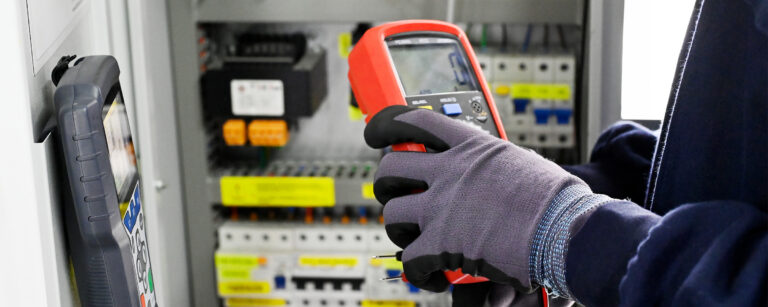
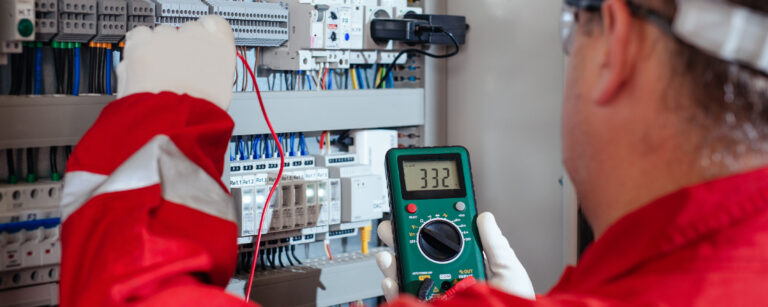
If your facility had a significant or prolonged outage, ask your electrical contractor about electrical inspections and IR scanning. Diagnostics may be necessary to ensure that there aren’t unseen issues.
4. Backup Power and Emergency Systems
Review how your back-up systems performed if your facility or operation lost utility power. Key questions include:
- Did generators start as expected?
- Did automatic transfer switches operate correctly?
- Did UPS systems maintain power to designated equipment?
- Were there alarms or problems when normal power returned?
Document any issues and have them evaluated before the next outage. For healthcare, manufacturing, data centers and other facilities with critical electrical loads, backup power performance should be an important part of the post-storm review.
5. HVAC and Other Critical Equipment
Arizona buildings, facilities, and operations rely on electrical systems supporting cooling, ventilation, refrigeration (HVAC) and other building operations. Following a storm, confirm that affected equipment has returned to normal operation. Review equipment alarms, unexpected shutdowns, motor or drive faults and unusual operating behavior.
Pay particular attention to systems that may have experienced repeated power interruptions or failed restart attempts. Problems affecting electrical equipment serving HVAC systems can become especially consequential when temperatures rise and cooling demand increases. And no one wants an HVAC surprise in 102-degree Arizona heat.
6. Surge Protection and Sensitive Equipment
Lightning and electrical disturbances associated with storms can affect sensitive electronic equipment, controls and other electrical systems. Review surge protective devices for status indicators or alarms that suggest a problem. Check for unusual behavior in building controls, communications equipment, variable frequency drives and other sensitive systems. Some surge protective devices require replacement after certain events or when their protection status indicates a fault. Follow manufacturer recommendations and have qualified personnel evaluate any concerns.
What Should You Do First After a Storm?
1. Prioritize safety
Keep your team and other employees away from standing water near electrical equipment, damaged enclosures, exposed conductors and downed electrical lines.
Do not open, touch, reset or attempt to operate equipment suspected of being damaged or water exposed.
Restrict access to affected areas and contact qualified electrical personnel. If utility equipment or service lines are involved, coordinate with the utility provider.
2. Decide what to evaluate first
Work with your electrical contracting partner to prioritize areas to evaluate, including what equipment may need to be taken offline. Start by identifying:
- Where there were problems in the facility or operation
- Equipment exposed to water
- Equipment with physical damage
- Equipment exposed to abnormal electrical conditions
3. Document the response
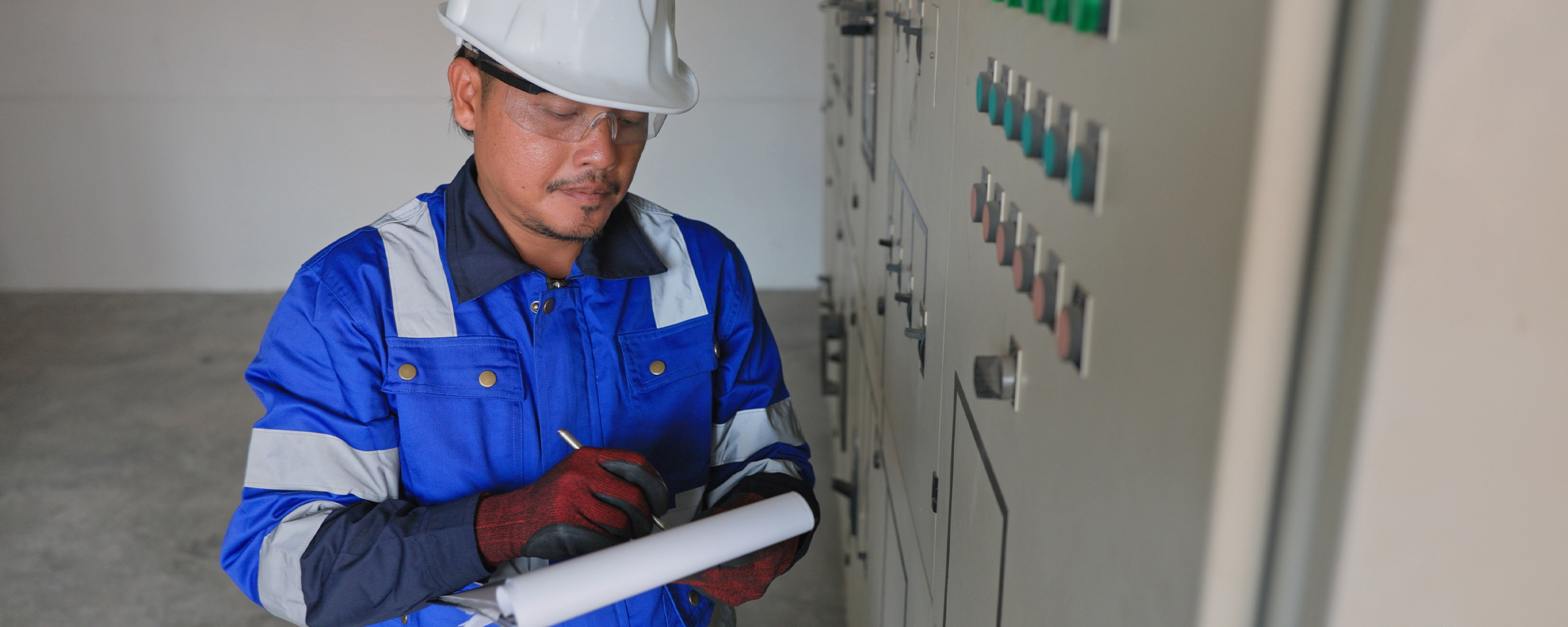
Review storm impacts with your electrical contracting partner and use this checklist to identify areas requiring closer inspection and repairs:
- Building management system (BMS) alarms
- Outage records
- Equipment faults
- Reports of water intrusion or physical damage
- Photographs of damage
- Maintenance records and drawings
Retain these records to support future service and insurance documentation.
Use the Experience to Prepare for the Next Storm
Arizona’s storm risks extend beyond the summer monsoon season. Severe thunderstorms, high winds, dust storms and periods of intense rainfall can affect electrical infrastructure at different times of the year. A post-storm assessment is also an opportunity to review how well your facility is prepared for future events. Talk to your electrical contractor about a scheduled service arrangement.
Consider whether outdoor electrical enclosures are adequately protected, drainage around electrical equipment is effective, backup power systems are maintained and tested, and your team has clear procedures for responding to outages and equipment damage. These considerations should be incorporated into your electrical maintenance program, including the inspection, testing and documentation requirements established under NFPA 70B, Standard for Electrical Equipment Maintenance.
Bottom Line: Don’t Overlook Electrical Damage After a Storm
As cleanup continues, keep track of standing water, signs of water intrusion and changes in your equipment’s operation. Make sure to share these notes with your electrical contracting partner so that they can continue to review conditions and problems that may appear over time.
Jenco helps Arizona commercial, industrial and institutional facilities evaluate electrical equipment, identify maintenance and repair needs, and address issues that could affect safety and reliability.
If your facility experienced storm damage, flooding or electrical problems following recent severe weather, contact Jenco to discuss an electrical assessment and any necessary repairs.